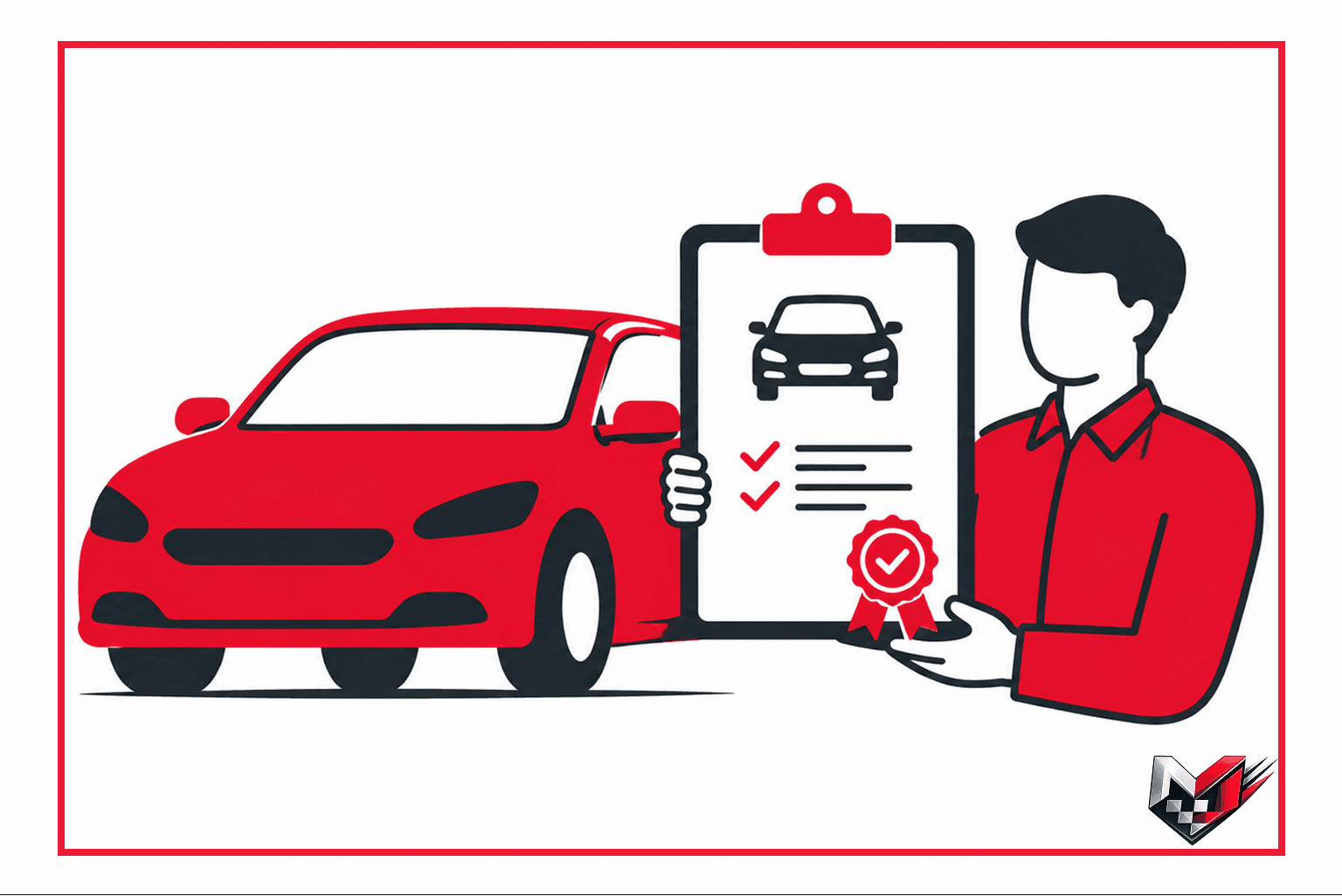
What Is a Roadworthy Certificate (RWC) and Why It Matters
If you're buying or selling a car in South Africa, you'll come across the term "Roadworthy Certificate" pretty quickly. It's a small piece of paper that carries a lot of weight in the buying process. Here's what it actually is, and why you shouldn't skip it.
1. What Is a Roadworthy Certificate?
A Roadworthy Certificate (RWC) confirms that a vehicle meets the minimum safety standards required to be legally on the road in South Africa. It covers things like brakes, tyres, lights, steering, and general structural safety. It is not a full mechanical inspection of the engine or a guarantee that nothing will ever go wrong with the car; it's a legal safety checkpoint, not a warranty.
2. When Is It Required?
- Whenever a vehicle's ownership is being registered in a new person's name at the licensing department.
- This applies to both dealership and private sales in most cases.
Without a valid RWC, the registration transfer generally cannot be completed, which means you can't legally register the car in your name.
3. Who Arranges It?
- At a dealership: this is typically handled for you as part of the sale. It's one of the practical advantages of buying from a registered dealer.
- In a private sale: this needs to be agreed upfront. Some sellers include a valid RWC in the asking price; others expect the buyer to arrange and pay for it. Always confirm this before agreeing on a final price.
4. Where to Get One
An RWC must be issued by an accredited testing station, not just any mechanic. These are officially registered and authorised to test and certify vehicles for roadworthiness.
5. How Long Is It Valid?
An RWC is valid for the purpose of a single ownership transfer. It's tied to that specific registration event, not an ongoing annual requirement like in some other countries.
6. What Happens If a Car Fails?
If a vehicle doesn't meet the standard, the testing station will list the faults that need fixing. Once repaired, the car can be retested. This is a useful thing to ask about upfront in a private sale: has the car already passed, or is it "sold subject to roadworthy," meaning the seller still needs to sort this out before the sale can be finalised.
7. Why It Matters to You as a Buyer
- It confirms a baseline level of safety before you take ownership.
- It protects you from unknowingly buying a car that can't legally be registered in your name.
- It gives you a clear point of reference for who's responsible for what in the sale.
The Bottom Line
A Roadworthy Certificate is a small requirement with a big practical impact. Always confirm before buying whether a valid RWC is included, and if not, who is responsible for arranging it and covering the cost. This one question can save you unexpected costs and delays after the sale.
Looking for your next car? Browse dealership listings on MotorGrid, where roadworthy requirements are generally already handled as part of the sale.