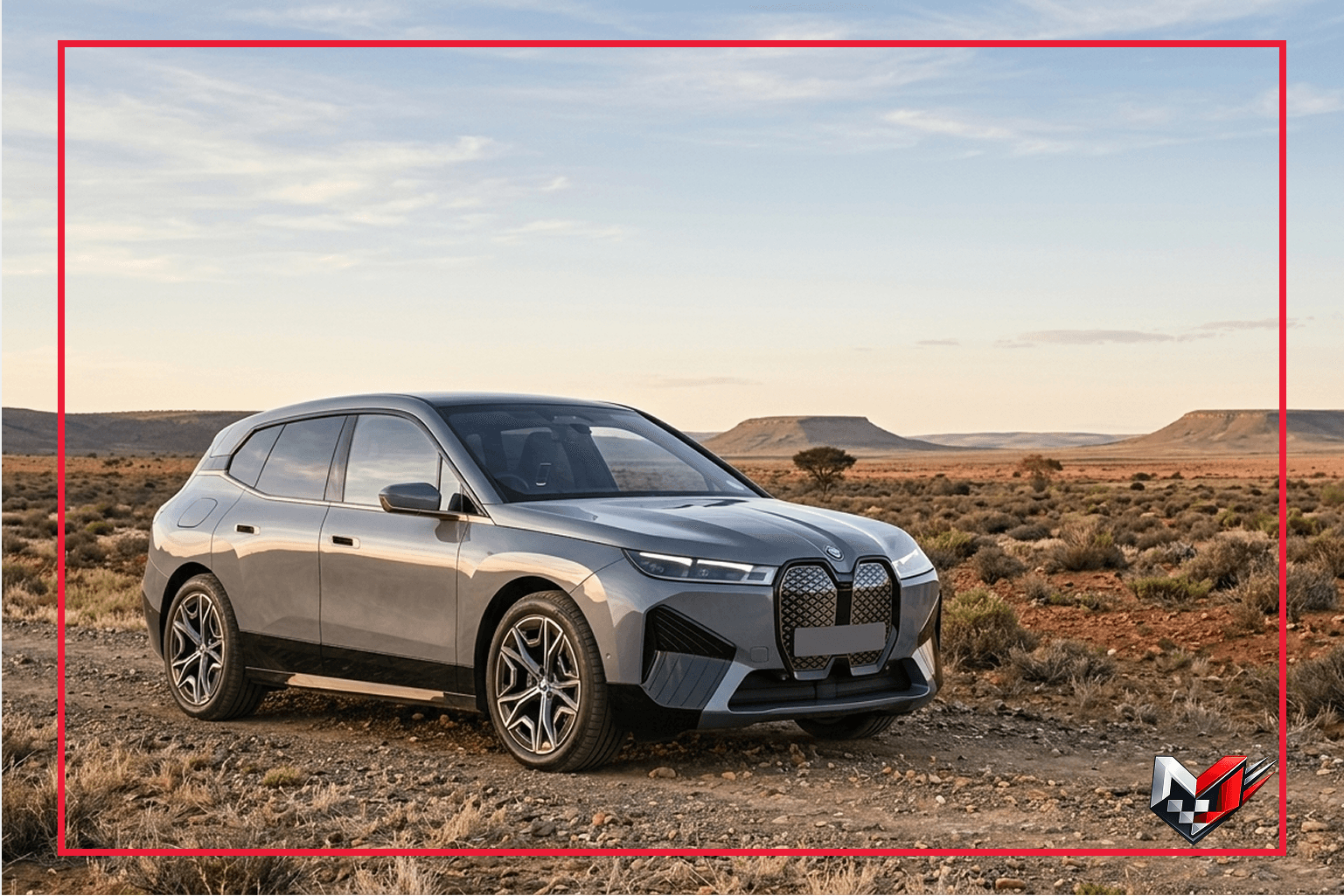
Is It Time to Switch to an Electric Car in South Africa? 2026 Buyer's Guide
Electric vehicle adoption in South Africa is accelerating, driven by falling EV prices, improved model availability, expanding charging infrastructure, and growing frustration with fuel price volatility. But is 2026 the right time for the average South African motorist to make the switch? The answer depends heavily on your specific circumstances — and this guide is designed to help you make an informed decision.
The Case for Going Electric in South Africa Right Now
South Africa's EV market has matured significantly over the past two years. Models from brands including BMW, Volvo, BYD, Haval, Mini, and Porsche are now available locally, with prices ranging from approximately R650,000 for entry-level options to well over R2,000,000 for premium EVs. The business case for EVs is strengthening for several key reasons:
- Fuel savings are substantial — charging at home costs a fraction of petrol at R27+ per litre
- Electricity from home solar installations can reduce running costs to near zero
- Load-shedding resilience is improved when pairing an EV with a home battery backup system
- Lower servicing costs due to fewer moving parts — no oil changes, timing belts, or exhaust systems
- South Africa's EV charging network, particularly along the N3 and major urban centres, is expanding rapidly
- Several municipalities and private operators now offer fast-charging at shopping centres and fuel stations
EV adoption in South Africa has reached a point where early adopters have demonstrated that daily urban commuting and even long-distance travel is practical for those who plan ahead. The peak of ICE vehicle sales may already be behind us, according to industry analysts.
The Honest Challenges That Still Remain
Despite the momentum, there are real challenges that South African buyers must consider before committing to an EV purchase. Load-shedding remains a concern for those without home solar or backup power, as reliance on public charging infrastructure during outages can be inconvenient. The relatively high purchase price of new EVs — compounded by import duties and the weak rand — means the total cost of ownership calculation takes longer to favour EVs compared to markets like Europe or the US. Additionally, EV resale values in South Africa are still somewhat uncertain, and the used EV market remains thin, making it harder to benchmark fair pricing. For buyers in rural areas or those who frequently travel long distances between smaller towns, range anxiety and the availability of en-route charging remain legitimate concerns that petrol and diesel vehicles still address more conveniently.
Who Should Consider Switching to EV in 2026?
The ideal South African EV buyer in 2026 is someone who commutes primarily within a major urban area (Johannesburg, Cape Town, Durban, Pretoria), has access to home charging (ideally with solar), and can afford the higher upfront cost of a new EV. For this profile, the switch makes compelling financial and practical sense. For everyone else, a modern petrol hybrid or efficient turbodiesel may still represent better overall value — particularly in the current South African context of inconsistent grid power and limited rural charging infrastructure. The EV transition is real and accelerating, but it is not yet a one-size-fits-all solution for every South African driver.
Browse listings on MotorGrid.